Piusa caves: Estonia’s hidden natural wonder
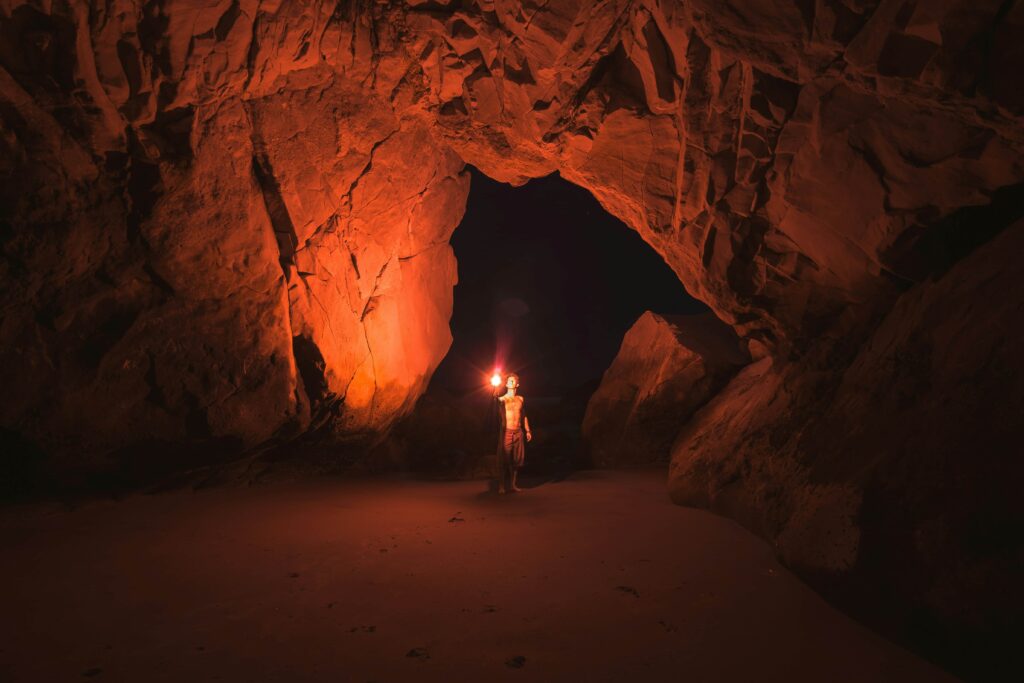
The Piusa caves are a man-made network of mining tunnels in Võru County, formed between 1922 and 1966 during glass-sand mining. These excavations were carved into light-coloured sandstone, and their total length reaches about 20 kilometres. The Piusa caves are the largest wintering site for bats in the Baltic states, which is why they are under nature protection.
The Piusa caves visitor centre is open to the public, housing a bat-shaped building with a seminar room, a craft room and a cinema hall. The centre offers an exciting overview of the caves’ history and the unique ecosystem inside. Although access to certain parts is restricted because of the risk of collapse, those interested can hike along a 1.4-kilometre marked nature trail.
The history of the Piusa caves goes back to the 1920s, when Tartu University geologist Hendrik Bekker identified quartz sand suitable for glass-making here. Mining continued until 1966, when work was moved to a neighbouring open-pit quarry, which means that no new underground passages are being created.
Piusa caves and how they came about
The Piusa caves are a man-made cave system created between 1922 and 1966 during the mining of glass sand. The caves are characterised by a unique ecosystem and outstanding geological value.
Sandstone and the formation of the Piusa caves
The Piusa caves were created in 1922, when underground quartz-sand mining for glass production began in the area. Mining took place in underground passages, creating extensive galleries with sandstone pillars and vaulted ceilings.
About 20 km of passages were created during mining, forming the cave system as it is today. Mining ended in 1966, when underground work became too complex and dangerous.
After mining ended, sand extraction continued as an open-pit quarry, which means no new caves are being created. The existing passages have been preserved and have become an important natural site.
Piusa caves nature reserve
Since 1999, the Piusa cave system has been under nature protection. The Piusa Caves Nature Reserve covers 45.64 hectares in Võru rural municipality. The reserve was created above all to protect the caves and the bats that live in them.
The Piusa caves are considered the largest wintering area for bats in Eastern Europe, which gives the area a special ecological importance. Nature lovers can hike a 1.4 km marked nature trail in the area.
- In one year the caves were reinforced and opened to tourists, but in 2006 they were closed again because of the risk of collapse. Today a specially built visitor centre is open to visitors, ensuring the protection of both the caves and the bats.
Quartz sand and glass sand in the area
The Piusa region is known for its high-quality quartz sand, which was particularly suitable for glass production. The sand is exceptionally pure, consisting mainly of silicon dioxide, which gives it the qualities prized in the glass industry.
Piusa glass sand is light in colour and of high purity, which made it a particularly valuable resource. The local sand was mainly used in the glass industry, where high-quality raw material was essential.
Sand mining initially took place in underground passages, which became today’s caves. After 1966, mining continued in an open-pit quarry, where work was safer and more efficient.
Piusa sand is also geologically interesting, as it comes from ancient sediments deposited over millions of years. The cave system makes it possible to see these geological layers in their natural position.
Biodiversity and conservation in the Piusa caves
The Piusa caves are the largest wintering site for bats in the Baltic states, providing a home for several protected species. The Piusa cave system is under nature protection and is part of the international Natura 2000 network.
Wintering colonies of bats
The Piusa cave system is known as an important wintering colony for bats. A total of 7 different species of bats have been found here, all in nature protection category II. The total number of overwintering individuals reaches up to 3,000.
Species that overwinter in the cave:
- Pond bat
- Daubenton’s bat
- Brandt’s bat
- Whiskered bat
- Natterer’s bat
- Brown long-eared bat
- Northern bat
Bats like the stable environment of the caves – there is a uniform temperature and humidity regime. The cave is also quiet and dark, which is ideal for bats to overwinter.
Nature conservation and protected areas
The aim of the Piusa Caves Nature Reserve is the protection, study and presentation of the protected bats and the caves they need for hibernation. The reserve was created to preserve the wintering colony of bats.
To ensure safety and protect the bats, access to the cave system is restricted. In 1999, surveys were carried out in the cave and most of the entrances were closed, leaving only the safest area open.
- In one year the caves were finally closed to visitors. In addition to bats, other species are also protected in the area, such as the smooth newt, May lily, mountain pasque flower and creeping lady’s-tresses. Old natural forests have been designated as a protected habitat type.
Visiting opportunities and tourism
The Piusa caves have become one of South-East Estonia’s most popular tourist attractions, offering visitors many ways to discover nature and history. The caves are open to visitors as organised guided tours, ensuring both visitor safety and the protection of the bat habitat.
Piusa visitor centre
The Piusa visitor centre is a striking bat-shaped building that serves as the main starting point for visiting the caves. The centre contains several useful rooms and services:
- Seminar room (50-seat conference hall)
- Craft room for children
- Cinema hall with educational materials
- Exhibition about the caves and bats
- Café for visitors
Guided tours of the caves, known as a hibernation site for bats, start from the visitor centre. The centre also organises various seminars, courses and educational events that introduce the natural and cultural heritage of the area.
Piusa railway station and accessibility
Access to the Piusa caves is convenient thanks to Piusa railway station, which is just a short walk from the visitor centre. This is an especially convenient option for those arriving by train.
There is a car park next to the visitor centre for those arriving by car. A 1.4 km marked nature trail also leads to the caves, offering an opportunity to explore the local nature. The trail is well maintained and suitable for visitors with different levels of fitness.
It is important to note that visiting the caves on your own is forbidden for safety reasons. Because of cave-ins and other hazards, visits only take place with a guide under controlled conditions.
The importance of tourism in the area
The Piusa caves are one of the most important tourist magnets of Old Võrumaa and Setomaa. Their uniqueness and natural value bring thousands of visitors to the area every year.
Visits to the caves support the local economy, providing work for guides, visitor-centre staff and nearby catering and accommodation businesses. Piusa village and the wider Setomaa region benefit considerably from this.
When developing tourism, it is important to balance visitors’ interest with the needs of nature conservation. The cave system is an important habitat for bats, so strict rules are in place to protect both nature and visitor safety.
The region and its cultural significance
The Piusa caves lie in a culturally rich region where natural heritage and a historical background are closely intertwined. The area’s distinctive character is reflected in both local cultural heritage and the natural environment.
Piusa village and its historical background
Piusa village is located in Võru County in Võru rural municipality, near Piusa railway station. The area is known for its natural beauty and sandstone caves, which were formed by glass-sand mining between 1922 and 1966.
Visitors are drawn to the area by the bat-shaped visitor centre, where they can learn about local sights. The centre also offers a seminar room, a craft room and a cinema hall.
The development of the area was significantly shaped by the glass industry, which provided work for many local residents. After mining ended, the caves became an important tourist destination.
The heritage of Võru and Põlva counties
The Piusa caves are one of the best-known tourist magnets of Old Võrumaa, bringing together the cultural heritage of both Võru County and nearby Põlva County. A 1.4 km marked nature trail runs through the area, introducing the local nature.
The cave system is part of a larger nature reserve covering 45.64 hectares of land. It has become the largest wintering area for bats in the Baltic states, which shows the ecological importance of the area.
Põlva and Võru counties have a rich heritage encompassing both natural sights and cultural traditions. The Piusa caves are an important part of this heritage, highlighting the unique features of the local geology and the impact of human activity on the natural environment.