What to do in Tõrva?
Tõrva is one of South Estonia's best value offerings – a unique resort town with four lakes, where Mulgi culture meets contemporary architecture and where the small-town scale conceals a surprisingly rich experience.
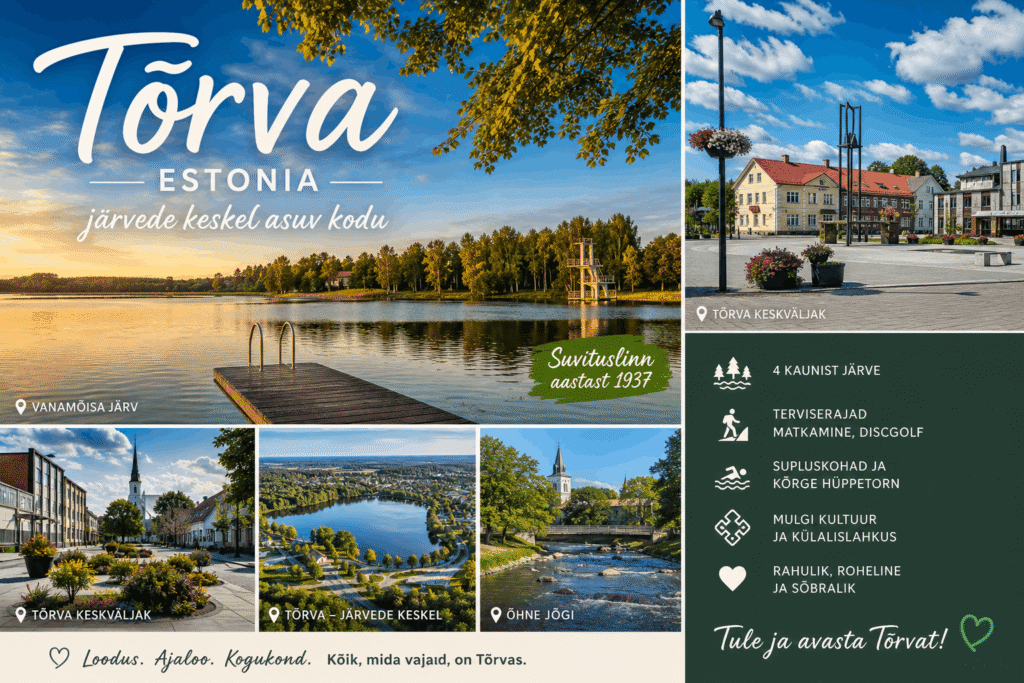
Tõrva is the pride of Estonia’s small towns and the official summer resort of Mulgimaa, where its 1937 resort-town status, the highest jump tower in the Baltic states and the world-famous Barclay de Tolly mausoleum create one of South Estonia’s most surprising discovery destinations. The question of what to do in Tõrva is well justified, because this heart of Mulgimaa offers an incredible amount – from the famous Tõrva Night of Lights to the Helme caves, from four lakes within the town boundaries to the fairytale-like park of Taagepera Castle. Tõrva is a town where Mulgi culture meets contemporary architecture and where this 4-lake town has regained the splendour befitting its 1937 resort status.
What are the most important sights in Tõrva?
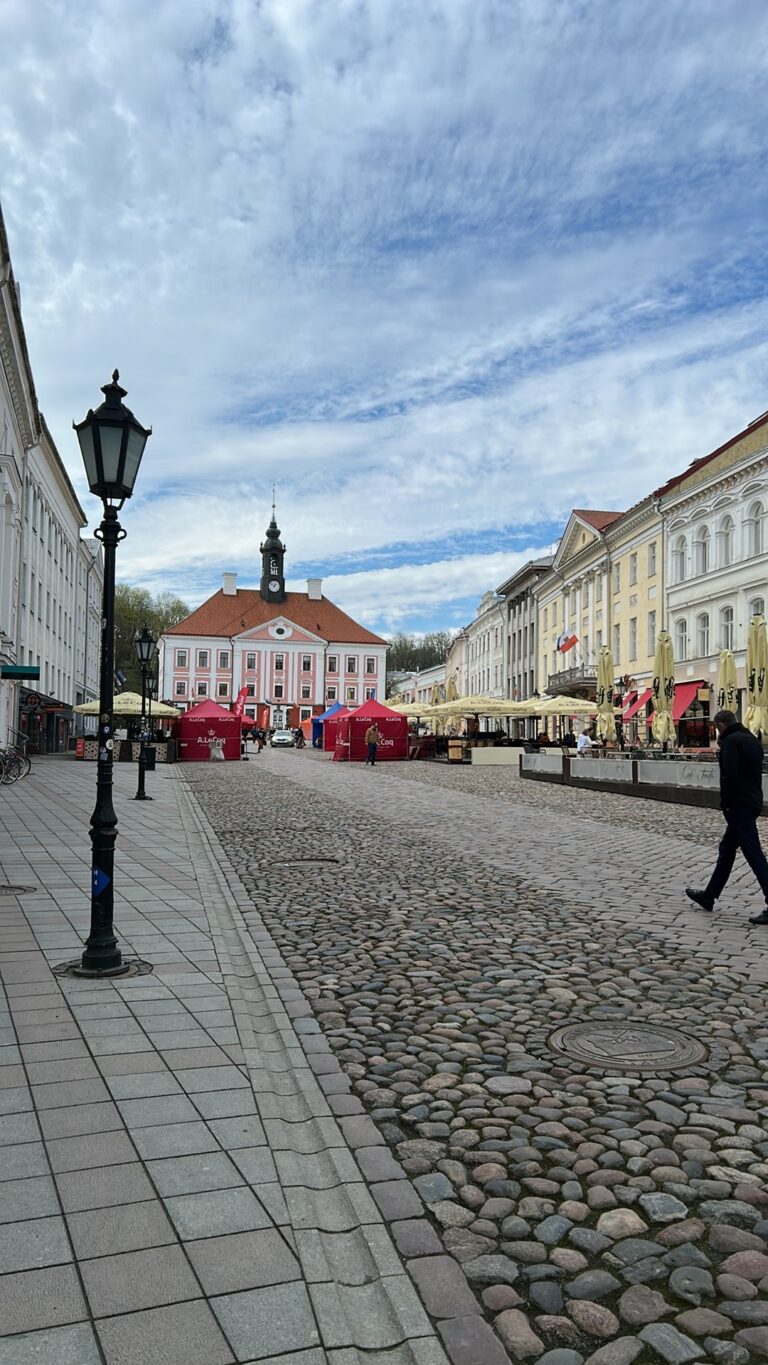
Tõrva’s central square is the iconic heart of the town – an area of nearly 13,000 square metres stretches from the historic inn building to the town hall. Most of the square is reserved for pedestrians and activity zones; 5,000 square metres are landscaped and nearly 2,000 trees and shrubs have been planted. The authors of the central square – Mari Rass, Ott Alver, Alvin Järving and Illimar Klammer – won the EV100 architecture competition in 2018 with the concept design ‘Mulgi Resort’. For the past three summers, an impressive park of sand sculptures has graced the square; one of the best-known works was a five-metre sculpture of Ukrainian President Volodymyr Zelenskyy as part of New York’s Statue of Liberty.
The Emapuu (Mother Tree) sculpture in the heart of Tõrva symbolises the soul of Mulgimaa through art, nature and cultural identity. The Tõrva Lion Tower – the jump tower on the shore of Lake Vanamõisa – is the highest jump tower in the Baltic states (around 11 metres) and the town’s most popular summer attraction. Tõrva’s church-chamber hall is a gem in its own right, where the acoustics turn concert listening into a special experience. The Helme-Tõrva Apostolic-Orthodox Church of the Nativity of Christ on Valga Street was built in 1903–1904 under the supervision of Karl Šurin and, with two domes and a bell tower, was one of the most important churches in the entire Viljandi Apostolic-Orthodox deanery.
The War of Independence Memorial in the park of Tõrva Gymnasium was erected in 1928 to a design by Aleksander Eller in memory of those who fell in the War of Independence. Destroyed by local communist authorities in 1940, the monument was re-inaugurated in later years. Tõrva’s Koit cinema was opened on 1 September 1953 and showed films continuously until 2004 – since 2019 the cinema has been digitised and shows the latest films at weekends.
How to discover Tõrva’s four lakes?
Tõrva is a town unique in Estonia with four lakes within its boundaries – Vanamõisa, Riiska, Veskijärv and the Pokardi reservoir form an internal water system that is the basis of the town’s resort status. Lake Vanamõisa lies on the edge of the town along the Tõrva–Pikasilla road and is the most popular bathing spot. The lake covers about 2 hectares and reaches a depth of 10.5 metres. The main attraction is the highest jump tower in Estonia, around 11 metres high.
Lake Riiska is on the south-eastern edge of Tõrva along Valga road – with low banks, a sandy bottom and green springs, the lake reaches a depth of 12.5 metres. Along the lake there is a beautiful sandy beach with changing cabins, toilets, volleyball courts and a swimming jetty. On Tuesdays in summer, beach volleyball competitions are held there. Veskijärv in the centre of town is at the heart of the Tõrva Fire Days climax – the Night of Lights light-art and music trail.
Tõrva’s health trail lies in the park forest surrounding Lake Vanamõisa, running along historic park paths and forest trails. The trail connects the Tõrva Gymnasium building, Tõrva Veemõnula, the Vanamõisa beach area and the school stadium complex. In 2017 the Tõrva health trails were named Estonia’s best leisure-sports facility. In winter visitors can enjoy maintained and lit cross-country skiing trails next to Tõrva Veemõnula. A map of the 11-kilometre hiking loop is available in Google Maps.
What are the sights around Tõrva?
The Barclay de Tolly mausoleum in Jõgeveste is the only mausoleum in Estonia and lies less than 10 kilometres from Tõrva – the remains of the famous military commander Barclay de Tolly rest here. The Russian commander, from a Baltic aristocratic family with Scottish roots, played an important role in the Napoleonic wars in 1812–1814. The Barclay de Tolly name has been linked to Jõgeveste since 1791, when he married Helene Auguste Eleanore von Smitten and became the owner of the Jõgeveste manor. The mausoleum is part of 21 South Estonian sites marked with the yellow National Geographic window.
The ruins of Helme Order Castle stand on a steep slope along the Pärnu–Valga road and were probably built in the first half of the 14th century. Tall fieldstone walls with window openings have been preserved – legend tells of an innocent maiden walled into the castle to strengthen it. Over the years Germans, Russians, Lithuanians and Swedes ruled in the fortress, the latter destroying it in 1658. The Helme caves are located in the same-named manor park, north of the castle ruins, and are a unique sight of their kind in Estonia – walls of white Burtnieki sandstone reach up to 3 metres high.
The Mulgi Experience Centre opened in 2023 in the former Sooglemäe farm complex in Mulgimaa, about a 15-minute drive from Tõrva. The centre is a landmark of the Mulgi region and a carrier of its identity – an architectural attraction, museum, event venue and information & sales centre for Mulgi-area products and services. Exhibitions and events open the door to the nature of the Mulgi people and their cultural heritage – here you can sense the famous resourcefulness, stubbornness and wisdom of the Mulgi. Taagepera Castle is a fairytale Art Nouveau castle now home to the Wagenküll hotel and castle spa with an à la carte restaurant.
What is Tõrva’s food culture like?
Tõrva’s food scene has developed considerably over the past decade, combining the traditional Estonian Mulgi cuisine heritage with contemporary influences. Mulgi cuisine is a category of its own – mulgipuder (potato and barley porridge with bacon and onion), mulgikapsad (sauerkraut with barley or buckwheat) and mulgikäkid are classics that can be experienced in local restaurants and at the Mulgi Experience Centre.
Restaurant Malmizza near Tõrva’s central square is the star of the town’s gourmet scene – Peninuki gin tastings have become a local tradition. Pub Juudas is Tõrva’s most distinctive eatery, hosting music quizzes, concerts and Tõrva Dokfest special programmes. In summer the park and central square host several fairs and food festivals where you can sample fresh local produce.
Udumäe holiday farm between Tõrva and Helme in Kirikuküla is a dining experience in its own right – it offers Mulgi cuisine and a menu based on local produce. For larger events there is a grill house that fits 150 people. Surrounding farms and organic producers are part of the Tõrva area’s food scene – here you can try genuine Estonian farm food rarely found in Tallinn restaurants.
How to spend time in Tõrva with children?
Tõrva is one of Estonia’s best destinations for children – four lakes, a health trail, a jump tower and numerous family-friendly activities make it a worthy destination for more than just a day visit. Tõrva Veemõnula is South Estonia’s newest water and sauna centre, offering four different saunas (low-temperature steam sauna 50–55 °C, high-temperature steam sauna 80–85 °C, salt sauna 45–50 °C and sanarium 50–55 °C), a 25-metre three-lane swimming pool and a large children’s and family pool.
Kaasiku Farm Zoo in Hummuli, Tõrva parish, is a unique experience for children – more than 100 animals from 30 different species, including exotic animals such as the fennec fox Dodo, the green iguana Sairos, a white-eared marmoset, chameleons and the bearded dragon Hans. Food cups for feeding the animals can be bought on site (€2). The Tõrva disc-golf park with 18 baskets begins by Tõrva Gymnasium and runs mainly along forest paths – free parking at the school.
The Tõrva extreme-sports field, i.e. the skatepark, offers year-round activity for young people – the attractions were designed and built by Mario Kalmre, the world-renowned organiser of Simpel Session. The jump tower at Lake Vanamõisa is an exciting challenge for children (parental supervision recommended), while the sandy beach of Lake Riiska offers safe swimming and a volleyball court. At the Käre battlefields, militarily inclined children can experience the atmosphere of the 1944 battles.
What does Tõrva nature offer?
Tõrva parish is rich in protected parks – about half of the parish territory is covered by forest. Keisripalu forest, Orjakivi, Tikste primeval valley, the Tikste and Pokardi reservoirs and the Tikste stream with its sandstone outcrop and eye-spring offer varied nature experiences. Tantsumägi and Linnamägi are historically significant hills around Tõrva.
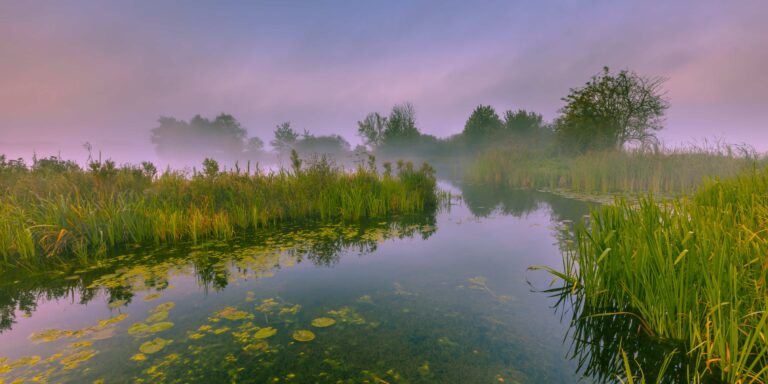
The Õhne river flows through the town and offers excellent water-hiking opportunities. At the Õhne reservoir in Taagepera, canoes, kayaks, sit-on-tops and rafts are available for hire. The river suits both beginners and experienced paddlers – the goal is to enjoy the trip rather than time trials. The quiet bends of the Õhne and its beautiful nature make it ideal for a day-long water hike in summer.
The Taagepera hiking trail is 5.4 kilometres long, starting and ending at the Taagepera campfire site (where camping is permitted). The trail runs partly along the bank of the Õhne river and can also be walked as smaller loops (1.6 km and 4.0 km). The main sights are Taagepera Castle and its park, the Taagepera church and cemetery, the barons’ family cemetery and the legendary ‘Kissing Stone’. Bog-walking from the moss to a bog island with bog-shoes is a unique experience that gives access to places impassable in regular hiking boots.
When is the best time to visit Tõrva?
Tõrva is a year-round destination, but each season has its own character. Summer (June–August) is the resort town’s golden time – the four lakes open their beaches, the jump tower at Lake Vanamõisa is in active use, and concerts and festivals fill the central square. At the end of July the Tõrva Fire Days take place – a legendary multi-day event that culminates in the Tõrva Night of Lights. On the winding light-art and music trail around Lake Veski you can see unique light installations and listen to magical sound works. The event attracts about 10,000 visitors.
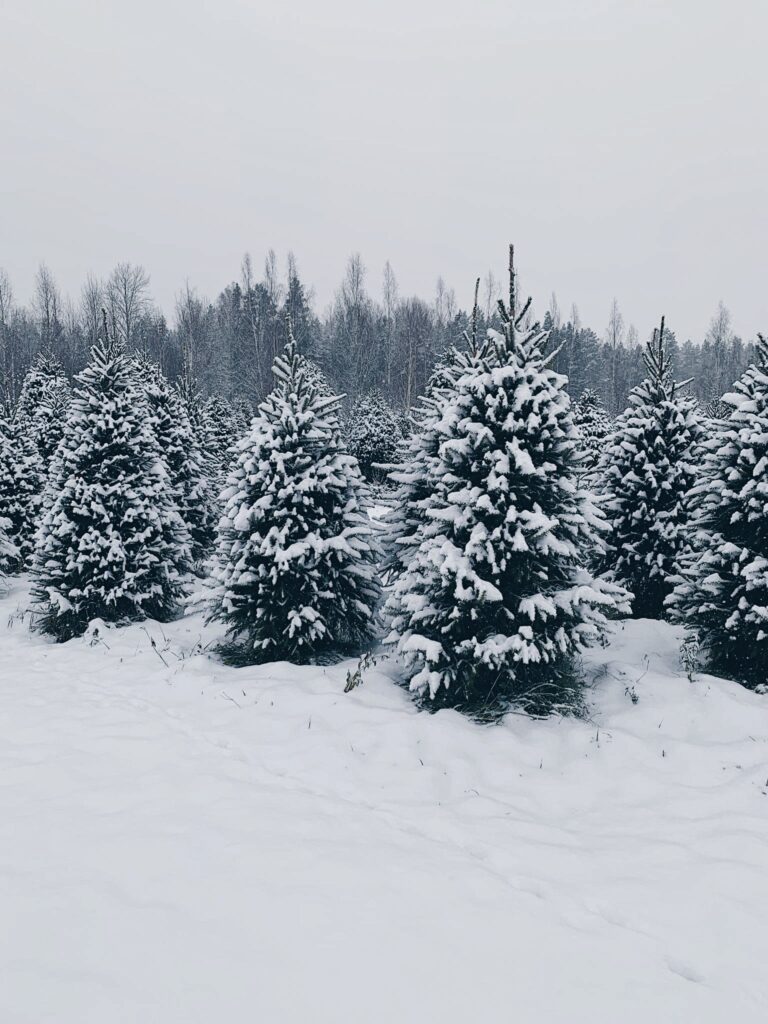
Autumn (September–October) brings a colourful blanket of leaves to South Estonia’s forests – the Taagepera trail, the Õhne river and the Helme caves are especially photogenic. Winter (December–March) offers maintained and lit cross-country skiing tracks at Tõrva Veemõnula. Wagenküll Winter Wonderland awaits in the park of Taagepera Castle – a unique light festival with impressive installations. Tõrva Veemõnula and the saunas make a winter visit pleasant even in cold weather.
Spring (April–May) is a quieter time, but nature awakens and trails become passable again. Water hikes on the Õhne river start at the end of May. It is worth checking the calendar in advance for major events such as the Tõrva Fire Days, the European Sauna Marathon (held between Otepää and Tõrva) and various cultural events.
Practical tips for a trip to Tõrva
Tõrva is in South Estonia, in historic Mulgimaa, only 30 kilometres from Valga (and the Latvian border) and about an hour’s drive from Tartu. The bus connection from Tallinn to Tõrva takes about 3.5 hours and from Tartu 1.5 hours. A car is the most flexible mode of transport, especially if you plan to visit nearby sights such as the Helme caves, Taagepera Castle or the Mulgi Experience Centre.
For getting around within Tõrva, walking is enough – the main sights, lakes and health trail fit compactly within the town’s boundaries. By bicycle you can comfortably explore both the town and surrounding loop routes. Several places offer accommodation – Taagepera Castle (the Wagenküll hotel and castle spa) is the grandest choice, while the Greete motel is Estonia’s most unique and largest log house, where no room is rectangular. Udumäe holiday farm offers a 4-spot caravan park and camping option.
Tõrva tourism information is available via visittorva.ee and local cultural centres regularly organise events. Tõrva is a safe small town and suits all ages and interests. The Mulgimaa Experience Centre, the Tõrva Fire Days and the surrounding historic places make Tõrva a destination that offers far more than first appearances suggest – here you can combine nature, culture, history and family-friendly activities on a single trip.
Tõrva is the most surprising discovery of Mulgimaa
Tõrva is a town that exceeds expectations on every level. The question ‘what to do in Tõrva?’ has surprisingly many answers – from the four lakes of the historic resort and the highest jump tower in the Baltic states to the Tõrva Fire Days, from the Barclay de Tolly mausoleum to the Helme caves, from the Mulgi Experience Centre to the fairytale atmosphere of Taagepera Castle. Tõrva is one of South Estonia’s best value offerings – a unique resort town with four lakes, where Mulgi culture meets contemporary architecture and where the small-town scale conceals a surprisingly rich experience. Tõrva is a town still being discovered, and now is the best time to do so.