Soomaa National Park: Estonia’s unique nature reserve and the fifth season
The national park covers an area of 398 km², made up of five large bogs that form a single, connected natural environment.
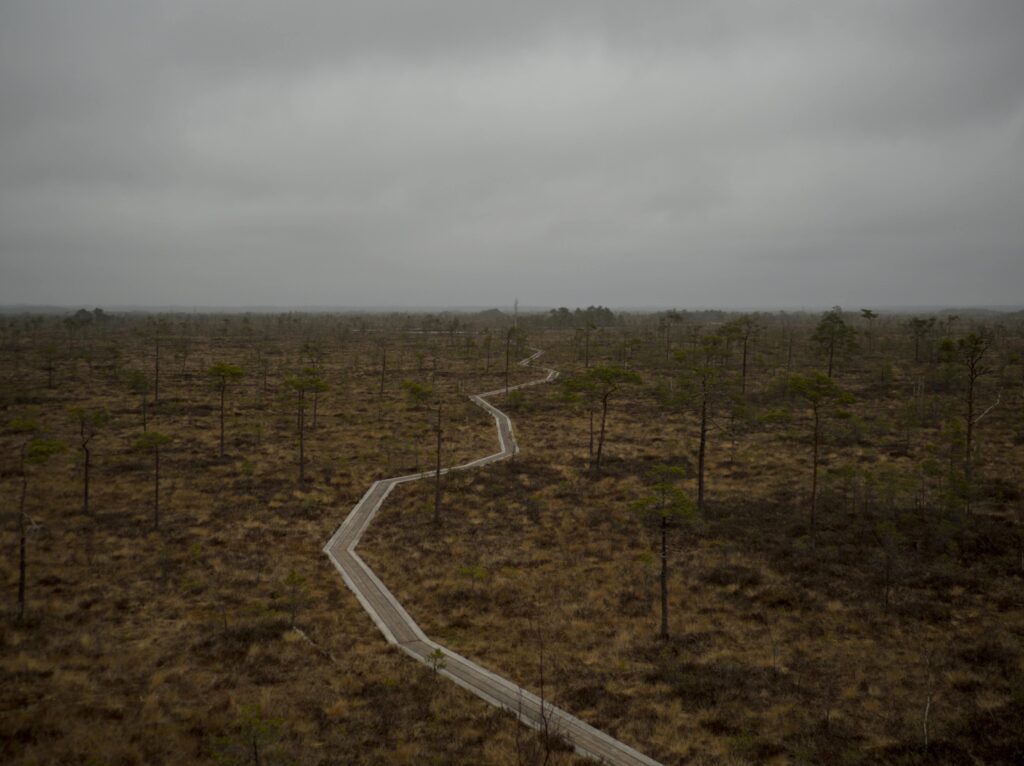
Soomaa National Park is one of the most wonderful treasures of Estonia’s nature, located in Viljandi and Pärnu counties. It was established on 8 December 1993 to protect the bogs, floodplain meadows, forests and rich cultural heritage of south-western central Estonia. The national park covers an area of 398 km², made up of five large bogs that form a single, connected natural environment.
Many know Soomaa National Park for its famous “fifth season”, when floods completely transform the landscape. Since 1997 Soomaa has been on the list of wetlands protected under the global Ramsar Convention, and since 2004 it has been part of the Europe-wide network of protected areas, Natura 2000. Here visitors can enjoy untouched nature, hike across bog plains or, during floods, paddle a canoe between the trees.
Overview of Soomaa National Park
Soomaa National Park is one of Estonia’s largest and most distinctive nature reserves, characterised by extensive bogs, free-flowing natural rivers and the famous “fifth season” – the floods.
Location and area
Soomaa National Park is located in the southern part of central Estonia, covering areas in both Viljandi and Pärnu counties. The total area of the national park is 398 km², making it one of the larger protected-area complexes in Estonia.
The park’s territory is made up of five large bog areas, surrounded by forests and separated from one another by free-flowing natural rivers.
A distinctive feature of Soomaa’s landscape is its regular extensive flooding, which locals call “the fifth season”. The extent of these floods can reach up to 17,500 hectares.
Establishment and protected-area status
Soomaa National Park was established on 8 December 1993 to protect the bogs, floodplain meadows and forests of the south-western part of central Estonia. The protected area was created to preserve intact bog complexes, floodplain forests and meadows, and the local cultural heritage.
Since 1997 Soomaa has been among the wetlands protected under the global Ramsar Convention. In 2004 the national park was included in the Europe-wide protected-area network Natura 2000.
The national park is part of the European network of protected areas and also belongs to the EUROPARC Federation, which connects protected areas across Europe.
Visitor centre and visitor services
Soomaa National Park has a visitor centre that provides information about the park’s nature and visiting opportunities. At the visitor centre you can explore interactive exhibitions and take part in various nature-education programmes.
Several hiking trails have been built in the national park, allowing visitors to explore the different landscape types:
- Bog trails
- Riverside trails
- Forest trails
Visitors are offered a range of services such as canoe trips, bog-shoe (snowshoe-style) hikes in the bogs, and ski trips in winter. Especially popular are the canoe trips during floods, which let you experience Soomaa’s “fifth season”.
Visitors can also see the local cultural heritage – suspension bridges and traditional dugout boats are important symbols of the Soomaa region.
Nature and landscapes
Soomaa National Park is a natural paradise where diverse landscapes create a unique ecosystem. The most striking natural features of the area are extensive bogs, forests, floodplain meadows and rivers with seasonal floods.
The unique character of bogs and mires
More than 80% of Soomaa National Park’s area is made up of boggy habitats that began to form about 13,000 years ago after the retreat of the continental ice sheet. The national park contains five large bog complexes, the best known of which are:
- Kuresoo – one of Estonia’s largest bogs and the one with the highest peat layer
- Valgeraba – a bog area with distinctive vegetation
- Öördi raba – a bog complex with picturesque bog pools
Soomaa’s bogs lie on the western edge of the Sakala Upland, which has created favourable conditions for bog formation. The peat layer reaches over 7 metres in places, indicating the age and ecological significance of these areas.
The natural value of the bogs lies in their ability to retain water and act as carbon stores. These unique landscapes provide a home for several rare plant and animal species.
Forests and meadows
Soomaa’s forests are diverse, ranging from drier heath forests to wet swamp forests. The dominant species growing here are:
- Pine forests on higher ground
- Spruce forests on more fertile soils
- Boggy and swamp forests in lower areas
A special treasure of the national park is its wooded meadows, which have come about through human activity. These sparsely wooded meadow areas are among the most species-rich communities in Estonia, where up to 50 different plant species can grow on a single square metre.
Floodplain meadows along the rivers are also valuable habitats, enriched with nutrients by regular floods. These traditional landscapes need regular mowing or grazing to be maintained.
Rivers and floods
At the heart of Soomaa National Park are four rivers – the Halliste, Raudna, Lemmjõgi and Navesti, which join together to form the Pärnu river. The flat landscape causes extensive floods in spring and autumn, which locals call “the fifth season”.
Soomaa’s high water can cover up to 175 km², turning the forest landscape into a lake. Floods usually occur:
- In spring during snowmelt (March-April)
- In autumn during prolonged rains
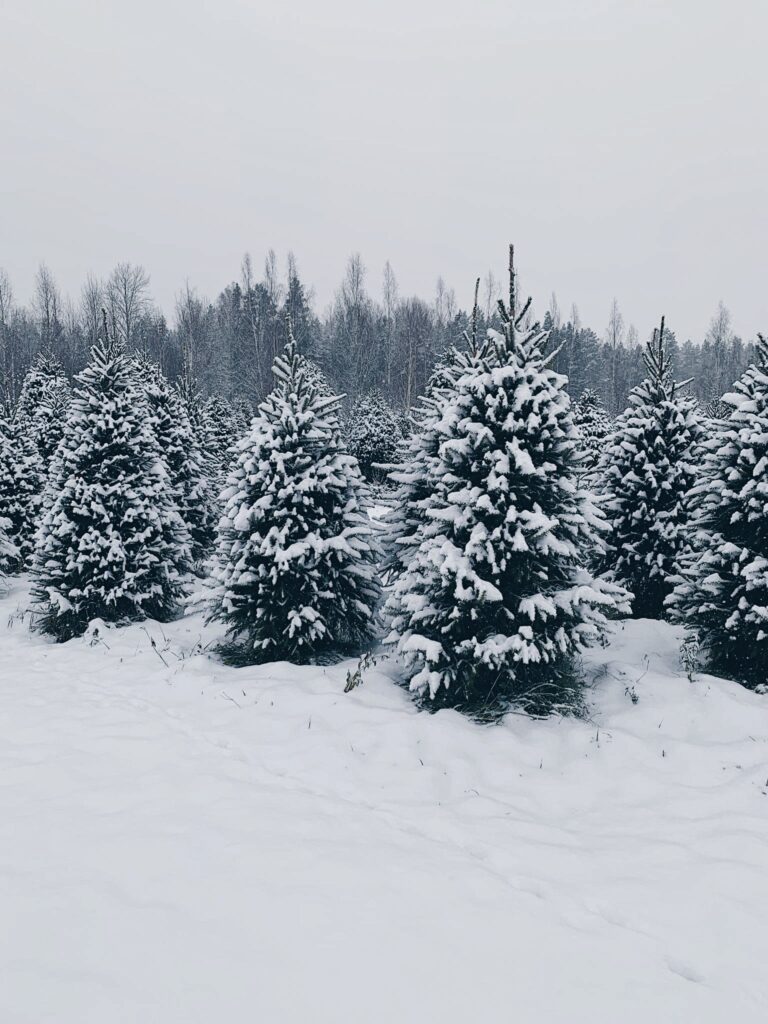
- Sometimes in winter during thaws
The fifth season completely transforms the look of the area – roads disappear under water, people get around by boat, and you can even travel through the forest in a dugout. These natural floods are important for keeping the river ecosystems in balance and ensuring the fertility of the floodplain meadows.
Plant and animal life
Soomaa National Park is home to a rich diversity of life, with more than 600 plant species recorded here as well as numerous animals. Growing in the bogs are:
- Sphagnum mosses and cranberries
- Crowberries and bog rosemary
- Rare orchids such as the marsh helleborine
The forests are home to a rich animal life, including:
Mammals: wild boar, roe deer, elk, lynx and beaver
Birds: black stork, common crane, capercaillie and eagles
Insects: several rare butterfly species
Soomaa’s water bodies contain 23 fish species, the most important of which are pike, roach and perch. Amphibians such as the moor frog and reptiles such as the adder play an important role in the bogs. This natural diversity makes Soomaa National Park an important protected area in both an Estonian and a European context.
Culture, heritage and activities
In addition to its beautiful natural setting, Soomaa National Park offers a rich cultural heritage and a wide range of activities. The region’s history and local traditions are closely tied to the bog landscapes and life in them.
Local cultural heritage
Soomaa’s cultural heritage has developed over thousands of years under the influence of the local environment. One of the most important traditional skills is the building of the haabjas, the art of making a dugout boat. The haabjas has been the main means of transport for local people during the “fifth season”, or high water.
There are several culturally and historically important places in the area. Kõrtsi-Tõramaa farm is a well-known heritage culture centre that hosts various craft courses and cultural events. The villages of Iba and Riisa are historically valuable settlements where you can get to know the local lifestyle.
Traditional farmhouses and outbuildings have been preserved in the national park, reflecting the region’s building heritage. Local crafts, food culture and folk customs are also an important part of Soomaa’s identity.
Hiking trails and adventure opportunities
Soomaa offers plenty of hiking trails of varying difficulty. The more popular trails pass through forests, bogs and floodplain meadows, allowing visitors to experience diverse landscapes. The Riisa nature trail and the Beaver Trail are suitable for shorter hikes, while longer trails lead deeper into the heart of the bogs.
Water-sports enthusiasts can enjoy canoe trips on Soomaa’s rivers. The Raudna, Halliste and Navesti rivers offer excellent opportunities to discover the area from the water. A canoe trip during the “fifth season” is especially exciting, when the flooded forests and meadows form a unique watery labyrinth.
In winter you can practise cross-country skiing and bog-shoe hiking in Soomaa. You can skate on the ice, and fishing is a popular activity throughout the year. Adventure options are enriched by guided nature hikes that focus on tracking or learning about local plants.