South Estonia’s bogs: a complete guide for hikers
The bogs of South Estonia offer a unique nature experience through their boardwalks, observation towers and varied vegetation. Discover the best bog routes and plan your next bog hike.
What are the best-known bogs in South Estonia?
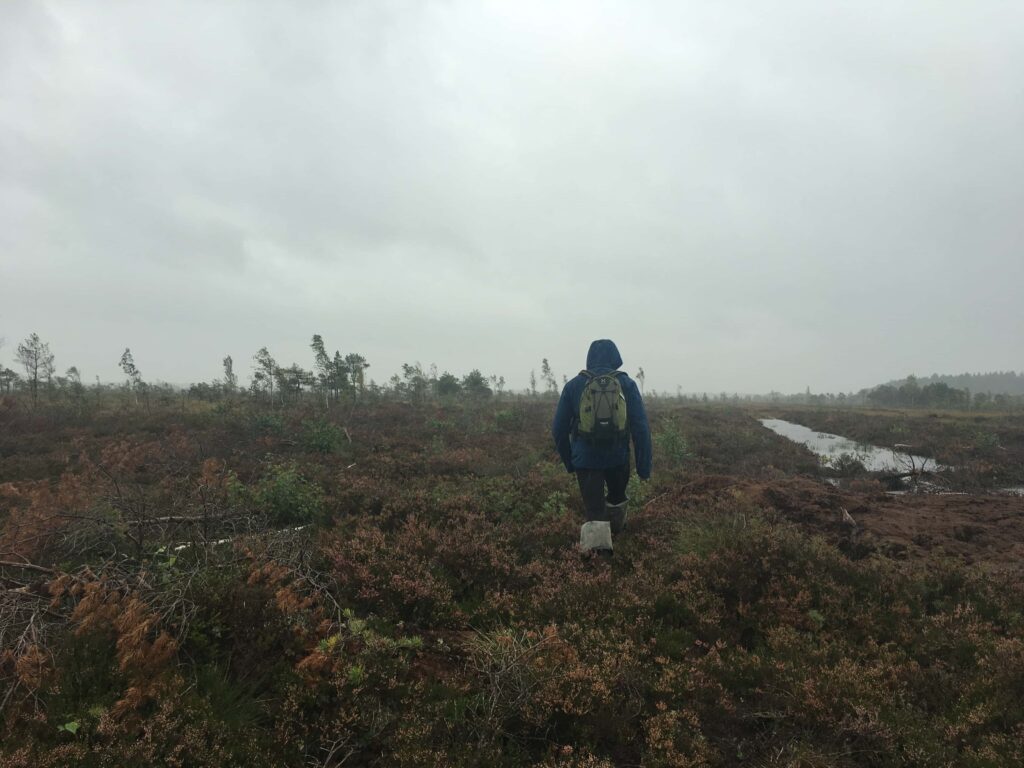
South Estonia’s bogs are natural pearls that give visitors the chance to experience the diversity and beauty of Estonian nature. Among our region’s best-known bogs are Meenikunno bog in Põlva County, Valgesoo bog in Võru County and Sangla bog in Viljandi County. Each bog is unique in its plant life, animals and landscape, offering special experiences in every season.
Why is it worth visiting Meenikunno bog in particular?
Meenikunno bog is one of South Estonia’s most impressive bogs, located in Põlva County in Veriora rural municipality. The bog covers about 2,800 hectares, and a 3.5-kilometre boardwalk with an observation tower runs through it. Visitors can enjoy varied vegetation including cottongrass, cranberries and bog pines. Meenikunno bog is especially popular with photographers, offering breathtaking views especially at sunrise and sunset.
What makes Valgesoo bog special?
Valgesoo bog in Võru County is known for its well-maintained infrastructure and accessibility. At the heart of the bog is an 875-metre boardwalk that takes visitors right into the centre of the bog, where there is an observation tower. Valgesoo bog is an ideal destination for hiking with family and children, since the boardwalk is safe and the hike is not too long. In spring and summer you can enjoy rich birdsong here, and in autumn you can pick cranberries.
How to plan a bog hike to Sangla bog?
Sangla bog in Viljandi County is less well known but all the more special to discover. When planning a hike, keep in mind that the best time to visit is early morning or late afternoon, when the lighting conditions are best for photography. In Sangla bog it is definitely worth bringing rubber boots, since some paths can be wet. The hike is about 4 kilometres long and takes an average of 2-3 hours.
When is the best time to visit the bogs?
The bogs of South Estonia can be visited all year round, but each season has its own charm. In spring you can watch bog plants awakening and bird life becoming more active. In summer the bog plants bloom and it is an ideal time for longer hikes. Autumn brings ripe cranberries and the colourful palette of bog vegetation. In winter the bogs offer the chance to enjoy a snow hike and to capture special wintry views.
What safety rules should be followed in a bog?
When hiking in a bog, it is important to follow basic safety rules. Always stay on marked trails and boardwalks, as the bog ground can be deceptive and dangerously soft. Take enough water and light snacks. Dress for the weather and wear suitable footwear. It is also recommended to bring a charged mobile phone and a power bank. Don’t leave any litter behind and respect the bog’s delicate ecosystem.
What are the best photo opportunities in South Estonia’s bogs?
South Estonia’s bogs offer photographers exciting opportunities all year round. Early-morning mist, sunrises and sunsets create a special mood in the bogs. Observation towers offer excellent opportunities to take panoramic photos. Macro photography enthusiasts will find exciting subjects in bog plants, insects and small animals. The best photo opportunities usually open up during the golden and blue hour.
How to get to South Estonia’s bogs?
Most of South Estonia’s bogs are well accessible by car. A proper gravel road leads to Meenikunno bog, with a car park at the start of the trail. You can reach Valgesoo bog along an asphalt road and parking is free. The road leading to Sangla bog may be in poorer condition, so allow a longer travel time. Those travelling by public transport should check bus connections in advance, as they may be limited.
What other activities can you do in the bogs?
In addition to traditional hiking, South Estonia’s bogs offer opportunities for several activities. In autumn it is popular to pick cranberries, which is allowed in certain areas. In winter you can do snow hiking or skiing if weather conditions allow. Birdwatchers will find exciting observation opportunities in the bogs, especially during spring and autumn migration. Several bogs also offer guided hikes, which give a more thorough overview of the bog ecosystem.