South Estonia attractions: The top 10 best places to visit
South Estonia offers visitors extraordinary experiences through its 25 most important tourist attractions, including historic castles, scenic lakes and many culturally significant places.
South Estonia is a true treasure trove characterised by diverse nature, historical attractions and folk-culture heritage. You’ll find everything here, from Estonia’s highest point – Suur Munamägi, where breathtaking panoramic views open up for up to 50 km, to the mysterious Piusa caves, an extensive network of underground tunnels. If you’re wondering where Suur Munamägi or the Piusa caves are, they are right here in South Estonia. Our region’s identity and community are strong, and local traditions and experiences are highly valued. The Rõuge area is also one of the important nature and cultural sites that is definitely worth visiting.
South Estonia offers visitors extraordinary experiences through its 25 most important tourist attractions, including historic castles, scenic lakes and many culturally significant places. Viljandi Castle and Lake Viljandi are just two examples of places where you can enjoy both history and the beauty of nature, providing opportunities for both active leisure and peaceful relaxation. In addition, you’ll find many cosy cafés where you can taste local treats and feel the area’s traditional atmosphere.
If you’re not sure where to go in South Estonia, the beautiful landscapes in Põlva, Valga and Võru counties invite you to discover the region’s most special and beautiful places, leaving visitors with unforgettable memories. There are many well-known hiking trails here, such as the Taevaskoja trail that crosses rivers and runs through forests. South Estonia’s attractions can be enjoyed both on a short weekend and during a longer holiday, where every day brings new discoveries and experiences, leaving plenty to discover for every taste.
South Estonia’s most important towns and historical heritage
The South Estonia region is known for its rich cultural heritage and historical towns, which give visitors a unique opportunity to discover Estonia’s diverse history.
Tartu as a centre of culture and science
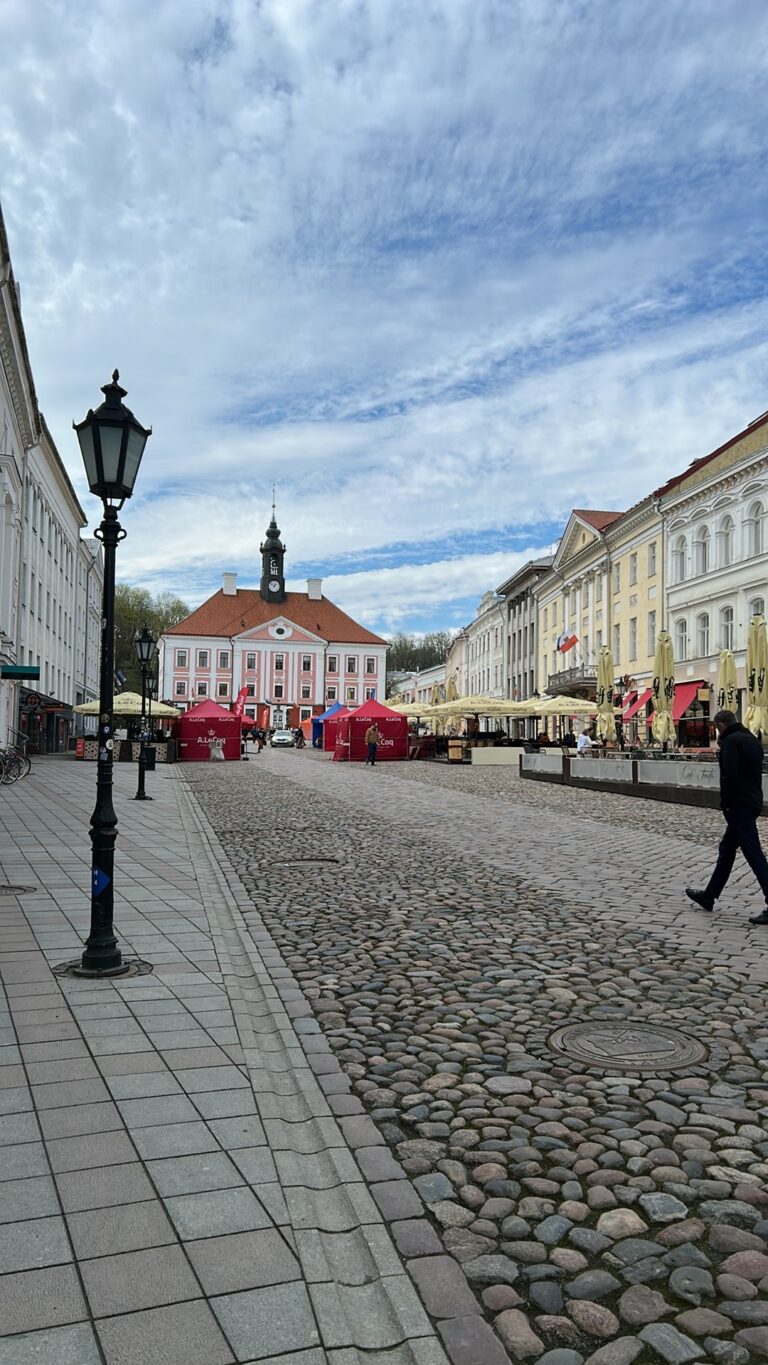
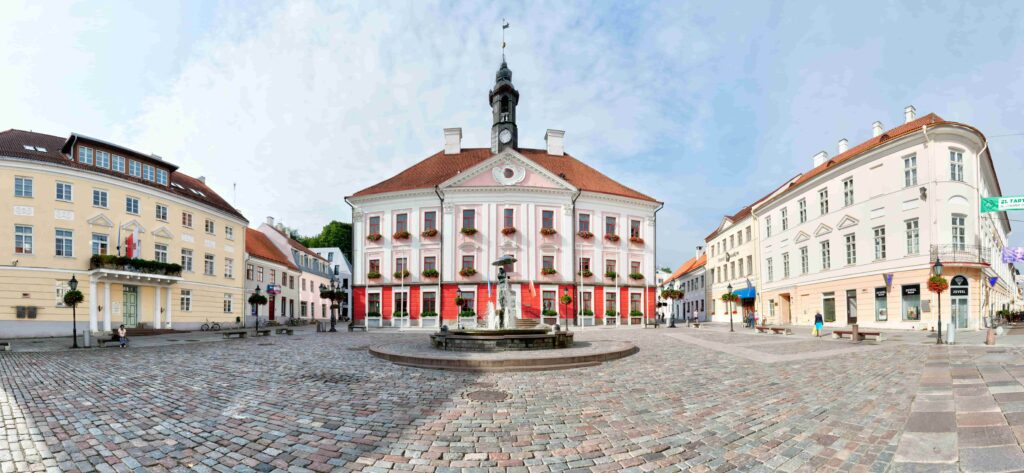
Tartu is the heart of South Estonia and Estonia’s intellectual capital, home to the country’s oldest and most renowned higher education institution – the University of Tartu. Founded in 1632, the university has played an important role in the development of Estonian education and science.
Toomemägi is Tartu’s historical centre, home to the university’s old observatory and the ruins of the Cathedral. A walk through Toomemägi park offers excellent views of the town.
Tartu is also home to the modern AHHAA Science Centre, which captivates both children and adults with its interactive exhibits. The Estonian National Museum is another important cultural institution where you can thoroughly explore the history of the Estonian people.
Supilinn is a distinctive area of Tartu where colourful wooden houses and a quiet atmosphere create a special mood. Here you can experience Tartu’s bohemian spirit.
The charms of Võru town and Lake Tamula
Võru is a historical centre in the heart of Võrumaa, founded in 1784 by order of Catherine II. The town’s compact centre invites you to discover local culture and history.
Lake Tamula is the pearl of Võru town, with a beautiful promenade and beach area along its shore. In summer it’s a popular leisure spot for both locals and tourists. Along the lake you can enjoy a peaceful walk or active water-sports activities.
Around Võru town there are several well-marked hiking trails leading through beautiful forests and to natural sights. The trails of the Rõuge area are also worth a visit, where you can discover Rõuge’s primeval valley, lakes and other scenic places. Võrumaa’s rich cultural heritage is expressed in the local dialect, the preservation of which is being actively worked on.
Võru Kannel is a local cultural centre that hosts various events, concerts and performances that bring the local community together.
The unique character of Valga and the border areas
Valga is an Estonian–Latvian border town that, together with Latvian Valka, forms a unique twin town. Valga and Valka are connected across the national border, allowing visitors to move easily between the two towns and experience the culture of both countries. It is the centre of Valga County, whose historical architecture reflects influences from different eras.
Valga Museum offers a thorough overview of the region’s history and cultural heritage. Here you can explore both local military history and exhibits relating to everyday life in different eras.
There are several interesting attractions around Valga, including manors and scenic places. The distinctive character of the borderland comes through here, where the cultures of two countries intertwine and create a unique environment.
Various fairs and cultural events are regularly held in the town’s central square, bringing together both Estonians and Latvians. The twin-town status gives Valga a special position in South Estonia’s cultural landscape.
Viljandi’s cultural life and architecture
Viljandi is known for its medieval castle ruins and beautiful old-town streets. It is considered Estonia’s folk-music capital and hosts the international Viljandi Folk Music Festival every year.
Ugala Theatre is one of Estonia’s oldest professional theatres, offering high-quality performances for both locals and visitors. The theatre building is a sight in itself, being one of the modern architectural examples in the town.
Lake Viljandi and its promenade are a popular place for a stroll. Various open-air events and sports competitions take place by the lake. The architecture of the old town has preserved its era, but Viljandi’s cultural life is especially lively and varied compared to other South Estonian towns, offering visitors more music and theatre experiences.
Natural wonders and distinctive landscapes
South Estonia offers diverse landscapes with unique natural attractions. The nature areas here are known for their distinctive landforms, lakes, bogs and rich wildlife.
Taevaskoda and the sandstone outcrops
Taevaskoda is one of South Estonia’s most enchanting natural wonders, located along the Ahja river. It consists of two parts – Suur (Big) and Väike (Small) Taevaskoda, where you can see impressive red sandstone outcrops.
The sandstone outcrops date from the Devonian period and reach up to 20 metres high in places. Their vivid tones create a stunning sight on the river-valley walls.
Around Taevaskoda there are several hiking trails that follow the riverbank and allow nature lovers to enjoy the area’s exceptional beauty. Springs that gush out of the sandstone walls are also clearly visible here.
The area is popular with both locals and tourists, especially in summer. The Taevaskoda landscape offers a chance to see one of Estonia’s most unique geological phenomena, formed over thousands of years.
Piusa caves and the bat wintering area
The Piusa caves are man-made sand caves created in the early 20th century during glass-sand mining. These caves form Estonia’s largest underground system and offer visitors an exciting sight.
The caves have become an important wintering area for bats, with up to eight species of bats living here. About 3,000 bats overwinter in the Piusa caves, which is why the place is under nature protection.
A visitor centre is open to tourists, where you can learn about the history of the caves and the life of the bats. From the visitor centre, a staircase leads down into one preserved cave where you can experience its distinctive environment.
In the Piusa caves area there is also a quarry with sandstone outcrops, which is a feast for the eyes with its colourful sand. There are several hiking trails near the caves that give you the chance to enjoy the surrounding nature. Once you’ve explored the caves, it’s well worth continuing to the surrounding hiking trails or visiting the nearby quarry.
Hinni Canyon and the Emajõgi river
Hinni Canyon is a small but impressive sandstone valley in South Estonia, located in Võru County. About 200 metres long and up to 10 metres deep, this natural wonder is one of the most beautiful places in South Estonia.
A stream flows along the bottom of the canyon, and its walls are covered in green moss, creating a mystical atmosphere. Because of its small size and beautiful nature, Hinni Canyon is an ideal place for a short walk.
The Emajõgi is South Estonia’s largest river, connecting Lake Võrtsjärv with Lake Peipus. The river is 100 kilometres long and is fully navigable. The Emajõgi’s banks are wetlands and floodplain meadows that provide habitat for many plant and animal species.
The Emajõgi is a popular place for canoe trips and fishing. Along the riverbanks there are several boardwalks and observation towers from which you can watch the rich birdlife and enjoy the calm water.
Karula National Park and Haanja nature
Karula National Park is Estonia’s smallest national park, protecting a hilly landscape with a mosaic of lakes, forests and bogs. There are many small lakes here, set in the hilly terrain, creating a unique atmosphere.
Karula is known for its traditional cultural landscape, where people have lived in harmony with nature. The national park has several boardwalks leading through bogs and forests.
Haanja’s nature is famous for its hills, where Estonia’s highest point is located
Fascinating castles, manors and architectural gems
South Estonia is known for its diverse architectural heritage, where historical castles and fortresses await visitors. These buildings reflect the region’s rich history and offer a chance to dive into the past.
Sangaste Castle and the bishops’ castles
Sangaste Castle is one of South Estonia’s most famous architectural pearls and one of the region’s most important attractions. The castle was built in the 19th century and is known as the “Windsor Castle of the North” due to its grand neo-Gothic style.
The castle is surrounded by a beautiful park, which offers a chance to enjoy nature and admire the castle from outside. The interior of Sangaste Castle is also impressive, with carefully restored halls and rooms.
The bishops’ castles in South Estonia are important historical buildings dating from the Middle Ages. They were important defensive structures and centres of power. Today, several of them have been partly preserved or restored, giving visitors a chance to explore medieval architecture.
Otepää – the winter capital and a cultural heart
Otepää is best known as Estonia’s winter capital, but in addition it is also an important cultural centre that is of interest to architecture enthusiasts. The Otepää area is rich in historical buildings.
Otepää bishops’ castle was once a powerful stronghold, of which ruins have survived to the present day. These ruins are important historical monuments that tell the story of ancient Estonia and its defence systems.
Otepää church is also a notable architectural pearl that is worth visiting. From here a beautiful view opens up over the surroundings. Architecture enthusiasts appreciate Otepää for its authentic and well-preserved cultural heritage.
Hiking trails, theme parks and active leisure
South Estonia offers plenty of opportunities for active outdoor leisure. The diverse landscape of the area creates excellent conditions for hiking, and exciting theme parks invite you to discover both culture and history.
Popular hiking trails and nature parks
There are numerous loop hiking trails in South Estonia, perfectly suited to both beginners and experienced hikers. The Haanja Upland offers beautiful views and varied landscapes, where ascents and descents make the hike exciting.
Soomaa National Park invites you to discover the beauty of its bogs. Here you can walk along long boardwalks that lead right into the heart of the bogs. The Emajõe Suursoo is also a popular destination, where hikers can enjoy untouched nature.
Active leisure options are enriched by the Taevaskoja hiking trails, which run along sandstone outcrops and riverside paths. These trails are known for their picturesque scenery and varied vegetation.
Pokumaa and theme parks for children
Pokumaa theme park is inspired by the beloved Poku characters from the books by Edgar Valter. Here children can meet the world of the Pokus, discover exciting structures and take part in playful activities. The theme park is ideal for family events, where nature and fantasy combine.
Otepää Adventure Park offers adrenaline-filled activities for children and adults alike. Various tracks among the trees and rope attractions are suitable for all ages.
The AHHAA Centre in Tartu isn’t a theme park in the traditional sense, but it offers interactive scientific experiences that educate and entertain the whole family. Especially popular are the centre’s hands-on exhibits, which visitors can try out themselves.
Estonian Road Museum and interactive experiences
The Estonian Road Museum in Põlva County is a unique place to learn about the history of Estonian roads and traffic culture. On the museum grounds you can ride in old vehicles, try out traffic simulators and take part in exciting workshops.
The museum offers interactive exhibits that show road-building over the ages and present the development of transport. The history-of-roads exhibition is enriched with authentic tools and machines that were once used.
South Estonia’s active leisure options also include the museum’s Coaching Inn complex, where you can learn about the history of travel. Visitors can experience how people once moved from one place to another when modern means of transport did not exist.
Experiences and activities in South Estonia
South Estonia is a region where every visitor finds an experience to suit them – whether it’s enjoying the beauty of nature, exploring cultural heritage, or active leisure. In South Estonia you can discover diverse hiking trails that lead through enchanting forests, bogs and lakeshores. Here you can both walk and cycle, enjoying varied landscapes and fresh air.
South Estonia is known for its hospitable cafés and restaurants, where you can taste local food and experience the flavours of the region. Many small towns and villages have lovely cafés where you can enjoy homemade pastries and coffee while getting to know local life. In addition, several restaurants give you the chance to try traditional South Estonian dishes made from fresh, local ingredients.
For those interested in culture, several museums and cultural centres are open in South Estonia, where you can explore Estonian history, art and folk heritage. Concerts, theatre performances and art exhibitions are often held here, giving you a chance to take part in the region’s lively cultural life.
In South Estonia you can also have an active holiday by the water – there are lakes and rivers here where you can do water sports such as canoeing, paddleboarding or simply swim. South Estonia’s lakes and rivers are known for their clean water and beautiful views, offering excellent opportunities for both family holidays and a romantic weekend.
In summary, South Estonia is an ideal destination for those who want to experience varied things – here you can enjoy the beauty of nature, discover historic sights, taste local food and take part in cultural events. There is always something new to discover and experience in South Estonia.
Summary
South Estonia is a region where every visitor can take part in truly varied experiences. In South Estonia you can enjoy the beauty of nature, discover historic sights and explore local culture. There are several national parks, hiking trails, cafés, restaurants, museums and cultural centres, where you can explore Estonia’s rich cultural heritage.
In South Estonia you can take part in various activities – whether hiking, cycling or water sports. The area’s variety and well-known attractions make South Estonia one of Estonia’s most popular destinations. Everyone here can find their own way to enjoy nature, history and culture and have unforgettable experiences. South Estonia is a true gem waiting to be discovered in any season.